Buy euro-car.eu ?
We are moving the project
euro-car.eu .
Are you interested in purchasing the domain
euro-car.eu ?
domain@kv-gmbh.de · 0541-91531010
Buy euro-car.eu ?
What are the differences between metal oxides and nonmetal oxides?
Metal oxides are compounds formed between a metal and oxygen, while nonmetal oxides are compounds formed between a nonmetal and oxygen. Metal oxides tend to be basic in nature, meaning they react with acids to form salts and water. Nonmetal oxides, on the other hand, tend to be acidic in nature, meaning they react with bases to form salts and water. Additionally, metal oxides typically have higher melting and boiling points compared to nonmetal oxides. **
What are the properties of metal oxides and nonmetal oxides?
Metal oxides are typically basic in nature, meaning they react with acids to form salts and water. They are also typically solid at room temperature and have high melting and boiling points. Nonmetal oxides, on the other hand, are usually acidic in nature, meaning they react with bases to form salts and water. They are often gases or liquids at room temperature and have lower melting and boiling points compared to metal oxides. Both types of oxides play important roles in various chemical reactions and industrial processes. **


Similar search terms for Oxides
Top-Angebote
Products related to Oxides:
-
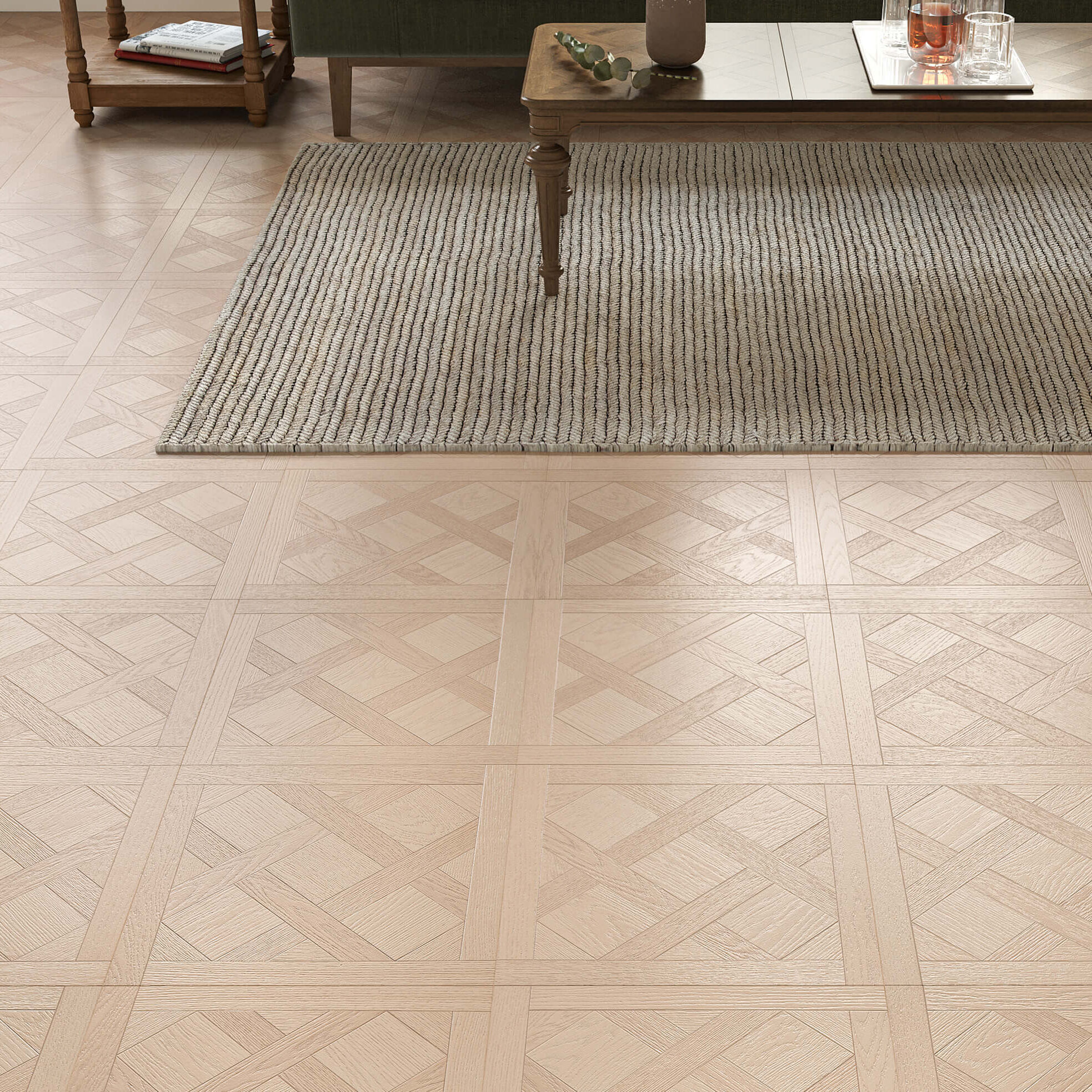
Luxury Flooring 19.99m² - Prestige 12mm Jardin Versailles Laminate Flooring - Water ResistantOur Prestige 12mm Jardin Versailles Laminate is the picture of vintage elegance. The pale blonde tiles are adorned with the quintessential Versailles criss-cross pattern, while their surface has been embossed for a textured look and feel. Get the breathtaking beauty of a Versailles floor with the practical benefits of laminate. This 12mm laminate is one of our thickest, most hardwearing laminate floors. With a durable, water-resistant coating, everyday life is no match for the Prestige Jardin. You’ll have this floor fitted in no time, thanks to its handy click-fit system. Plus, laminate works beautifully over underfloor heating, so you’ll have toasty toes all year round! Want a closer peek at this stunning floor? Order your free sample now!39,10 £*Shipping: 39,95 £Secure redirect to the provider
-
Quick Pick Pro Prestige Quartz Business Watch Luxury Stainless Steel Men Date Wristwatch eMake every first impression count with a timepiece that blends confidence, style, and everyday practicality. This luxury men's watch is designed for professionals, trendconscious men, and anyone who appreciates timeless elegance. Featuring a sleek...37,97 $*Shipping: 0,00 $Secure redirect to the provider
-
Quick Pick Pro Prestige Quartz Business Watch Luxury Stainless Steel Men Date Wristwatch fMake every first impression count with a timepiece that blends confidence, style, and everyday practicality. This luxury men's watch is designed for professionals, trendconscious men, and anyone who appreciates timeless elegance. Featuring a sleek...37,97 $*Shipping: 0,00 $Secure redirect to the provider



-
What are the differences between metal oxides and non-metal oxides?
Metal oxides are compounds formed between a metal and oxygen, while non-metal oxides are compounds formed between a non-metal and oxygen. Metal oxides tend to be basic in nature, meaning they react with acids to form salts and water, while non-metal oxides tend to be acidic, reacting with bases to form salts and water. Additionally, metal oxides typically have higher melting and boiling points compared to non-metal oxides. **
-
What is the difference between metal oxides and nonmetal oxides in chemistry?
Metal oxides are compounds formed between a metal and oxygen, while nonmetal oxides are compounds formed between a nonmetal and oxygen. Metal oxides tend to be basic in nature, meaning they react with acids to form salts and water. Nonmetal oxides, on the other hand, tend to be acidic in nature, meaning they react with bases to form salts and water. This difference in reactivity is due to the different chemical properties of metals and nonmetals. **
-
What is the difference between metal oxides and non-metal oxides in chemistry?
Metal oxides are compounds formed by the combination of a metal with oxygen, while non-metal oxides are compounds formed by the combination of a non-metal with oxygen. Metal oxides are generally basic in nature, meaning they react with acids to form salts and water. Non-metal oxides, on the other hand, are generally acidic in nature, meaning they react with bases to form salts and water. This difference in reactivity is due to the difference in electronegativity between metals and non-metals. **
-
Are non-metal oxides gaseous?
Non-metal oxides can exist in various states, including solid, liquid, and gaseous forms. Some non-metal oxides, such as carbon dioxide (CO2) and sulfur dioxide (SO2), are gaseous at room temperature and pressure. These gaseous non-metal oxides can play important roles in atmospheric chemistry and environmental processes. **


What are oxides in chemistry?
Oxides in chemistry are compounds that contain oxygen combined with another element. They can be formed by the reaction of oxygen with metals, nonmetals, or metalloids. Oxides can be acidic, basic, or amphoteric depending on the nature of the other element they are combined with. They play a crucial role in various chemical processes and are important in industries such as metallurgy, ceramics, and electronics. **
Where are metal oxides used?
Metal oxides are used in a wide range of applications, including as pigments in paints and ceramics, as catalysts in chemical reactions, and as components in electronic devices such as semiconductors and solar cells. They are also used in the production of metals, as abrasives in grinding and polishing, and as additives in materials such as glass and rubber. Additionally, metal oxides are utilized in the manufacturing of batteries and fuel cells, and in environmental applications such as wastewater treatment and air purification. **
Top-Angebote
Products related to Oxides:
-
Luxury Flooring 19.99m² - Prestige 12mm Chambre Versailles Laminate Flooring - Water ResistantEmbrace the showstopping beauty of a Versailles floor without compromising on practicality, thanks to our Prestige 12mm Chambre Versailles Laminate. Light brown tiles form the base of this vintage-inspired floor. Each tile is decorated with the criss-cross pattern that Versailles flooring is known for, while an embossed surface adds texture for a natural look and feel. At 12mm thick, this floor is one of our most durable laminates. Boasting a hardwearing, water-resistant surface, the Prestige Chambre can handle whatever life throws at it. This floor is fitted with a handy click-fit system which makes it a breeze to install. Plus, laminate pairs perfectly with underfloor heating, so you’ll never have cold feet again! Want to see this gorgeous floor yourself? Order your free sample now!39,10 £*Shipping: 39,95 £Secure redirect to the provider
-
Luxury Flooring 19.99m² - Prestige 12mm Jardin Versailles Laminate Flooring - Water ResistantOur Prestige 12mm Jardin Versailles Laminate is the picture of vintage elegance. The pale blonde tiles are adorned with the quintessential Versailles criss-cross pattern, while their surface has been embossed for a textured look and feel. Get the breathtaking beauty of a Versailles floor with the practical benefits of laminate. This 12mm laminate is one of our thickest, most hardwearing laminate floors. With a durable, water-resistant coating, everyday life is no match for the Prestige Jardin. You’ll have this floor fitted in no time, thanks to its handy click-fit system. Plus, laminate works beautifully over underfloor heating, so you’ll have toasty toes all year round! Want a closer peek at this stunning floor? Order your free sample now!39,10 £*Shipping: 39,95 £Secure redirect to the provider
-
What are the differences between metal oxides and nonmetal oxides?
Metal oxides are compounds formed between a metal and oxygen, while nonmetal oxides are compounds formed between a nonmetal and oxygen. Metal oxides tend to be basic in nature, meaning they react with acids to form salts and water. Nonmetal oxides, on the other hand, tend to be acidic in nature, meaning they react with bases to form salts and water. Additionally, metal oxides typically have higher melting and boiling points compared to nonmetal oxides. **
-
What are the properties of metal oxides and nonmetal oxides?
Metal oxides are typically basic in nature, meaning they react with acids to form salts and water. They are also typically solid at room temperature and have high melting and boiling points. Nonmetal oxides, on the other hand, are usually acidic in nature, meaning they react with bases to form salts and water. They are often gases or liquids at room temperature and have lower melting and boiling points compared to metal oxides. Both types of oxides play important roles in various chemical reactions and industrial processes. **
-
What are the differences between metal oxides and non-metal oxides?
Metal oxides are compounds formed between a metal and oxygen, while non-metal oxides are compounds formed between a non-metal and oxygen. Metal oxides tend to be basic in nature, meaning they react with acids to form salts and water, while non-metal oxides tend to be acidic, reacting with bases to form salts and water. Additionally, metal oxides typically have higher melting and boiling points compared to non-metal oxides. **
-
What is the difference between metal oxides and nonmetal oxides in chemistry?
Metal oxides are compounds formed between a metal and oxygen, while nonmetal oxides are compounds formed between a nonmetal and oxygen. Metal oxides tend to be basic in nature, meaning they react with acids to form salts and water. Nonmetal oxides, on the other hand, tend to be acidic in nature, meaning they react with bases to form salts and water. This difference in reactivity is due to the different chemical properties of metals and nonmetals. **
Similar search terms for Oxides
-
Quick Pick Pro Prestige Quartz Business Watch Luxury Stainless Steel Men Date Wristwatch eMake every first impression count with a timepiece that blends confidence, style, and everyday practicality. This luxury men's watch is designed for professionals, trendconscious men, and anyone who appreciates timeless elegance. Featuring a sleek...37,97 $*Shipping: 0,00 $Secure redirect to the provider
-
Quick Pick Pro Prestige Quartz Business Watch Luxury Stainless Steel Men Date Wristwatch fMake every first impression count with a timepiece that blends confidence, style, and everyday practicality. This luxury men's watch is designed for professionals, trendconscious men, and anyone who appreciates timeless elegance. Featuring a sleek...37,97 $*Shipping: 0,00 $Secure redirect to the provider
-
Quick Pick Pro Prestige Quartz Business Watch Luxury Stainless Steel Men Date Wristwatch dMake every first impression count with a timepiece that blends confidence, style, and everyday practicality. This luxury men's watch is designed for professionals, trendconscious men, and anyone who appreciates timeless elegance. Featuring a sleek...37,97 $*Shipping: 0,00 $Secure redirect to the provider
-
Quick Pick Pro Prestige Quartz Business Watch Luxury Stainless Steel Men Date Wristwatch cMake every first impression count with a timepiece that blends confidence, style, and everyday practicality. This luxury men's watch is designed for professionals, trendconscious men, and anyone who appreciates timeless elegance. Featuring a sleek...37,97 $*Shipping: 0,00 $Secure redirect to the provider
-
What is the difference between metal oxides and non-metal oxides in chemistry?
Metal oxides are compounds formed by the combination of a metal with oxygen, while non-metal oxides are compounds formed by the combination of a non-metal with oxygen. Metal oxides are generally basic in nature, meaning they react with acids to form salts and water. Non-metal oxides, on the other hand, are generally acidic in nature, meaning they react with bases to form salts and water. This difference in reactivity is due to the difference in electronegativity between metals and non-metals. **
-
Are non-metal oxides gaseous?
Non-metal oxides can exist in various states, including solid, liquid, and gaseous forms. Some non-metal oxides, such as carbon dioxide (CO2) and sulfur dioxide (SO2), are gaseous at room temperature and pressure. These gaseous non-metal oxides can play important roles in atmospheric chemistry and environmental processes. **
-
What are oxides in chemistry?
Oxides in chemistry are compounds that contain oxygen combined with another element. They can be formed by the reaction of oxygen with metals, nonmetals, or metalloids. Oxides can be acidic, basic, or amphoteric depending on the nature of the other element they are combined with. They play a crucial role in various chemical processes and are important in industries such as metallurgy, ceramics, and electronics. **
-
Where are metal oxides used?
Metal oxides are used in a wide range of applications, including as pigments in paints and ceramics, as catalysts in chemical reactions, and as components in electronic devices such as semiconductors and solar cells. They are also used in the production of metals, as abrasives in grinding and polishing, and as additives in materials such as glass and rubber. Additionally, metal oxides are utilized in the manufacturing of batteries and fuel cells, and in environmental applications such as wastewater treatment and air purification. **
* All prices are inclusive of VAT and, if applicable, plus shipping costs. The offer information is based on the details provided by the respective shop and is updated through automated processes. Real-time updates do not occur, so deviations can occur in individual cases. ** Note: Parts of this content were created by AI.