Buy euro-car.eu ?
We are moving the project
euro-car.eu .
Are you interested in purchasing the domain
euro-car.eu ?
domain@kv-gmbh.de · 0541-91531010
Buy euro-car.eu ?
How do you calculate the efficiency of photosynthesis?
The efficiency of photosynthesis can be calculated by measuring the amount of light energy that is converted into chemical energy in the form of glucose. This can be done by measuring the rate of oxygen production or the rate of carbon dioxide uptake, which are both indicators of the rate of photosynthesis. The efficiency can then be calculated by comparing the amount of light energy absorbed by the plant to the amount of chemical energy stored in the form of glucose. This can be expressed as a percentage to show the efficiency of the photosynthetic process. **
Why is the efficiency of photosynthesis so low?
The efficiency of photosynthesis is relatively low because it is a complex biochemical process that involves multiple steps and factors. Only a small portion of the sunlight that reaches the plant is actually used for photosynthesis, and much of it is reflected or lost as heat. Additionally, not all wavelengths of light are efficiently absorbed by the chlorophyll in the plant, further reducing the overall efficiency. Furthermore, there are limitations in the availability of carbon dioxide, water, and nutrients that can also impact the efficiency of photosynthesis. **


Similar search terms for Photosynthesis
Top-Angebote
Products related to Photosynthesis:
-
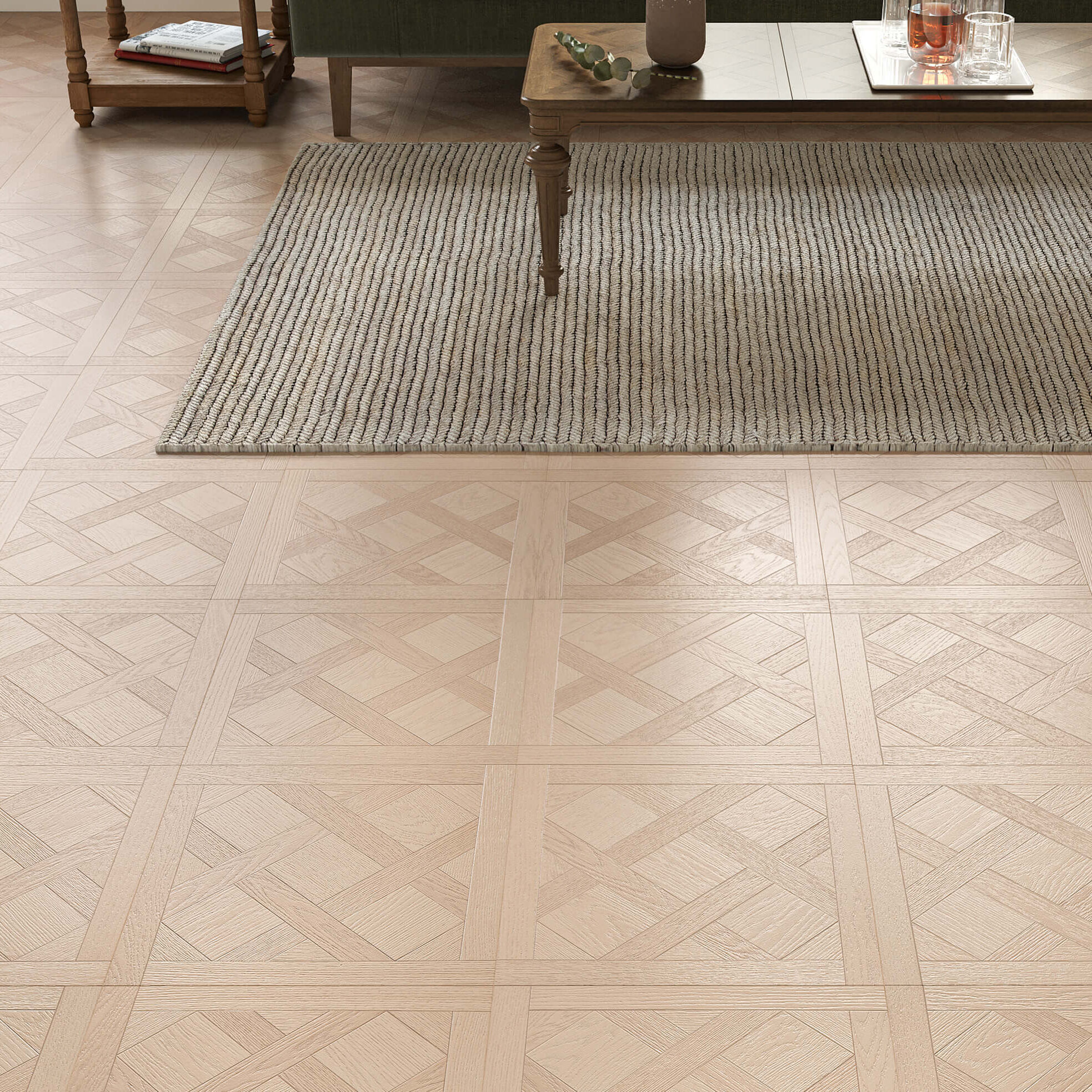
Luxury Flooring 19.99m² - Prestige 12mm Chambre Versailles Laminate Flooring - Water ResistantEmbrace the showstopping beauty of a Versailles floor without compromising on practicality, thanks to our Prestige 12mm Chambre Versailles Laminate. Light brown tiles form the base of this vintage-inspired floor. Each tile is decorated with the criss-cross pattern that Versailles flooring is known for, while an embossed surface adds texture for a natural look and feel. At 12mm thick, this floor is one of our most durable laminates. Boasting a hardwearing, water-resistant surface, the Prestige Chambre can handle whatever life throws at it. This floor is fitted with a handy click-fit system which makes it a breeze to install. Plus, laminate pairs perfectly with underfloor heating, so you’ll never have cold feet again! Want to see this gorgeous floor yourself? Order your free sample now!39,10 £*Shipping: 39,95 £Secure redirect to the provider
-
Luxury Flooring 19.99m² - Prestige 12mm Jardin Versailles Laminate Flooring - Water ResistantOur Prestige 12mm Jardin Versailles Laminate is the picture of vintage elegance. The pale blonde tiles are adorned with the quintessential Versailles criss-cross pattern, while their surface has been embossed for a textured look and feel. Get the breathtaking beauty of a Versailles floor with the practical benefits of laminate. This 12mm laminate is one of our thickest, most hardwearing laminate floors. With a durable, water-resistant coating, everyday life is no match for the Prestige Jardin. You’ll have this floor fitted in no time, thanks to its handy click-fit system. Plus, laminate works beautifully over underfloor heating, so you’ll have toasty toes all year round! Want a closer peek at this stunning floor? Order your free sample now!39,10 £*Shipping: 39,95 £Secure redirect to the provider
-
Elegant Comfort Luxury Super-Soft 3-Piece Pintuck Design Duvet Cover SetExperience luxury like you've never felt before with these silky soft duvet covers that feel almost hedonistic, this sumptuous set is going to bring your dreams to a whole new level.40,99 $*Shipping: 0,00 $Secure redirect to the provider
-
Elegant Comfort Luxury Super-Soft 3-Piece Pintuck Design Duvet Cover SetExperience luxury like you've never felt before with these silky soft duvet covers that feel almost hedonistic, this sumptuous set is going to bring your dreams to a whole new level.45,49 $*Shipping: 0,00 $Secure redirect to the provider



-
What is the efficiency of energy expenditure in photosynthesis?
The efficiency of energy expenditure in photosynthesis is relatively high compared to other biological processes. Photosynthesis is able to convert approximately 6% of the energy from sunlight into chemical energy stored in glucose molecules. This efficiency is due to the complex biochemical pathways and mechanisms involved in photosynthesis, such as the light-dependent and light-independent reactions. Overall, photosynthesis is a highly efficient process that plays a crucial role in sustaining life on Earth by providing energy for plants and ultimately all living organisms. **
-
Does photosynthesis supposedly have an efficiency of only 1 percent?
No, photosynthesis does not have an efficiency of only 1 percent. The efficiency of photosynthesis can vary depending on various factors such as the type of plant, environmental conditions, and the availability of resources. On average, the efficiency of photosynthesis in plants is estimated to be around 3-6 percent. However, some studies suggest that certain plants or artificial systems can achieve efficiencies of up to 10 percent. **
-
What is photosynthesis?
Photosynthesis is the process by which green plants, algae, and some bacteria convert light energy, usually from the sun, into chemical energy stored in glucose molecules. This process involves the absorption of carbon dioxide and water, which are then converted into glucose and oxygen with the help of chlorophyll and other enzymes. Photosynthesis is crucial for the survival of plants and other organisms that depend on them for food and oxygen. **
-
Can the efficiency of photosynthesis actually be increased by high air pressure?
High air pressure can potentially increase the efficiency of photosynthesis by allowing plants to take in more carbon dioxide, which is a key component in the process. However, there are limits to how much pressure can be increased before it becomes detrimental to plant growth. Additionally, other factors such as temperature, light intensity, and nutrient availability also play a significant role in the efficiency of photosynthesis. **


Does the photosynthesis of plants really only have an efficiency of 15 percent?
The efficiency of photosynthesis in plants is often cited as being around 15 percent, meaning that only 15 percent of the sunlight absorbed by the plant is converted into chemical energy. However, this number can vary depending on the specific plant species, environmental conditions, and the wavelength of light being used. Additionally, advancements in agricultural and biotechnological research have led to the development of more efficient photosynthetic processes, such as C4 and CAM photosynthesis, which can significantly improve overall efficiency. Therefore, while the 15 percent figure is a commonly cited average, it is important to recognize that there is variability and ongoing research in this area. **
Can humans perform photosynthesis?
No, humans cannot perform photosynthesis. Photosynthesis is a process carried out by plants, algae, and some bacteria, where they convert sunlight into energy to produce their own food. Humans do not have the necessary organelles, such as chloroplasts, to carry out photosynthesis. Instead, humans obtain energy by consuming food and breaking it down through cellular respiration. **
Top-Angebote
Products related to Photosynthesis:
-
Luxury Flooring 19.99m² - Prestige 12mm Chambre Versailles Laminate Flooring - Water ResistantEmbrace the showstopping beauty of a Versailles floor without compromising on practicality, thanks to our Prestige 12mm Chambre Versailles Laminate. Light brown tiles form the base of this vintage-inspired floor. Each tile is decorated with the criss-cross pattern that Versailles flooring is known for, while an embossed surface adds texture for a natural look and feel. At 12mm thick, this floor is one of our most durable laminates. Boasting a hardwearing, water-resistant surface, the Prestige Chambre can handle whatever life throws at it. This floor is fitted with a handy click-fit system which makes it a breeze to install. Plus, laminate pairs perfectly with underfloor heating, so you’ll never have cold feet again! Want to see this gorgeous floor yourself? Order your free sample now!39,10 £*Shipping: 39,95 £Secure redirect to the provider
-
Luxury Flooring 19.99m² - Prestige 12mm Jardin Versailles Laminate Flooring - Water ResistantOur Prestige 12mm Jardin Versailles Laminate is the picture of vintage elegance. The pale blonde tiles are adorned with the quintessential Versailles criss-cross pattern, while their surface has been embossed for a textured look and feel. Get the breathtaking beauty of a Versailles floor with the practical benefits of laminate. This 12mm laminate is one of our thickest, most hardwearing laminate floors. With a durable, water-resistant coating, everyday life is no match for the Prestige Jardin. You’ll have this floor fitted in no time, thanks to its handy click-fit system. Plus, laminate works beautifully over underfloor heating, so you’ll have toasty toes all year round! Want a closer peek at this stunning floor? Order your free sample now!39,10 £*Shipping: 39,95 £Secure redirect to the provider
-
How do you calculate the efficiency of photosynthesis?
The efficiency of photosynthesis can be calculated by measuring the amount of light energy that is converted into chemical energy in the form of glucose. This can be done by measuring the rate of oxygen production or the rate of carbon dioxide uptake, which are both indicators of the rate of photosynthesis. The efficiency can then be calculated by comparing the amount of light energy absorbed by the plant to the amount of chemical energy stored in the form of glucose. This can be expressed as a percentage to show the efficiency of the photosynthetic process. **
-
Why is the efficiency of photosynthesis so low?
The efficiency of photosynthesis is relatively low because it is a complex biochemical process that involves multiple steps and factors. Only a small portion of the sunlight that reaches the plant is actually used for photosynthesis, and much of it is reflected or lost as heat. Additionally, not all wavelengths of light are efficiently absorbed by the chlorophyll in the plant, further reducing the overall efficiency. Furthermore, there are limitations in the availability of carbon dioxide, water, and nutrients that can also impact the efficiency of photosynthesis. **
-
What is the efficiency of energy expenditure in photosynthesis?
The efficiency of energy expenditure in photosynthesis is relatively high compared to other biological processes. Photosynthesis is able to convert approximately 6% of the energy from sunlight into chemical energy stored in glucose molecules. This efficiency is due to the complex biochemical pathways and mechanisms involved in photosynthesis, such as the light-dependent and light-independent reactions. Overall, photosynthesis is a highly efficient process that plays a crucial role in sustaining life on Earth by providing energy for plants and ultimately all living organisms. **
-
Does photosynthesis supposedly have an efficiency of only 1 percent?
No, photosynthesis does not have an efficiency of only 1 percent. The efficiency of photosynthesis can vary depending on various factors such as the type of plant, environmental conditions, and the availability of resources. On average, the efficiency of photosynthesis in plants is estimated to be around 3-6 percent. However, some studies suggest that certain plants or artificial systems can achieve efficiencies of up to 10 percent. **
Similar search terms for Photosynthesis
-
Elegant Comfort Luxury Super-Soft 3-Piece Pintuck Design Duvet Cover SetExperience luxury like you've never felt before with these silky soft duvet covers that feel almost hedonistic, this sumptuous set is going to bring your dreams to a whole new level.40,99 $*Shipping: 0,00 $Secure redirect to the provider
-
Elegant Comfort Luxury Super-Soft 3-Piece Pintuck Design Duvet Cover SetExperience luxury like you've never felt before with these silky soft duvet covers that feel almost hedonistic, this sumptuous set is going to bring your dreams to a whole new level.45,49 $*Shipping: 0,00 $Secure redirect to the provider
-
Elegant Comfort Luxury Super-Soft 3-Piece Pintuck Design Duvet Cover SetExperience luxury like you've never felt before with these silky soft duvet covers that feel almost hedonistic, this sumptuous set is going to bring your dreams to a whole new level.40,49 $*Shipping: 0,00 $Secure redirect to the provider
-
Elegant Comfort Luxury Super-Soft 3-Piece Pintuck Design Duvet Cover SetExperience luxury like you've never felt before with these silky soft duvet covers that feel almost hedonistic, this sumptuous set is going to bring your dreams to a whole new level.43,49 $*Shipping: 0,00 $Secure redirect to the provider
-
What is photosynthesis?
Photosynthesis is the process by which green plants, algae, and some bacteria convert light energy, usually from the sun, into chemical energy stored in glucose molecules. This process involves the absorption of carbon dioxide and water, which are then converted into glucose and oxygen with the help of chlorophyll and other enzymes. Photosynthesis is crucial for the survival of plants and other organisms that depend on them for food and oxygen. **
-
Can the efficiency of photosynthesis actually be increased by high air pressure?
High air pressure can potentially increase the efficiency of photosynthesis by allowing plants to take in more carbon dioxide, which is a key component in the process. However, there are limits to how much pressure can be increased before it becomes detrimental to plant growth. Additionally, other factors such as temperature, light intensity, and nutrient availability also play a significant role in the efficiency of photosynthesis. **
-
Does the photosynthesis of plants really only have an efficiency of 15 percent?
The efficiency of photosynthesis in plants is often cited as being around 15 percent, meaning that only 15 percent of the sunlight absorbed by the plant is converted into chemical energy. However, this number can vary depending on the specific plant species, environmental conditions, and the wavelength of light being used. Additionally, advancements in agricultural and biotechnological research have led to the development of more efficient photosynthetic processes, such as C4 and CAM photosynthesis, which can significantly improve overall efficiency. Therefore, while the 15 percent figure is a commonly cited average, it is important to recognize that there is variability and ongoing research in this area. **
-
Can humans perform photosynthesis?
No, humans cannot perform photosynthesis. Photosynthesis is a process carried out by plants, algae, and some bacteria, where they convert sunlight into energy to produce their own food. Humans do not have the necessary organelles, such as chloroplasts, to carry out photosynthesis. Instead, humans obtain energy by consuming food and breaking it down through cellular respiration. **
* All prices are inclusive of VAT and, if applicable, plus shipping costs. The offer information is based on the details provided by the respective shop and is updated through automated processes. Real-time updates do not occur, so deviations can occur in individual cases. ** Note: Parts of this content were created by AI.