Buy euro-car.eu ?
We are moving the project
euro-car.eu .
Are you interested in purchasing the domain
euro-car.eu ?
domain@kv-gmbh.de · 0541-91531010
Buy euro-car.eu ?
Does the car ventilation consume fuel when it is cold or warm? Does it increase fuel consumption or decrease performance?
The car ventilation system does consume fuel when it is cold as it requires energy to power the fan and heating elements. However, when the car is warm, the ventilation system consumes less fuel as it does not need to work as hard to heat the air. Overall, the impact on fuel consumption is minimal, and it does not significantly affect the performance of the vehicle. **
At what speed does a car consume the least amount of fuel?
A car consumes the least amount of fuel when it is driven at a moderate and consistent speed, typically around 50-60 miles per hour. This speed allows the engine to operate efficiently without working too hard, resulting in optimal fuel consumption. Driving at higher speeds increases air resistance, which in turn requires more fuel to maintain speed. Conversely, driving at very low speeds or in stop-and-go traffic can also increase fuel consumption due to frequent acceleration and deceleration. **


Similar search terms for Garvee-20L-Metal-Fuel
Top-Angebote
Products related to Garvee-20L-Metal-Fuel:
-
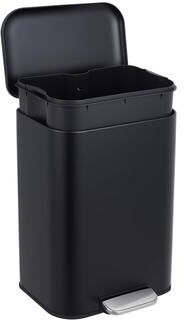
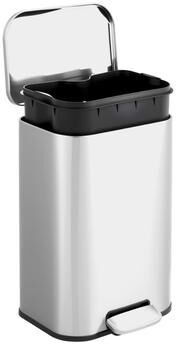
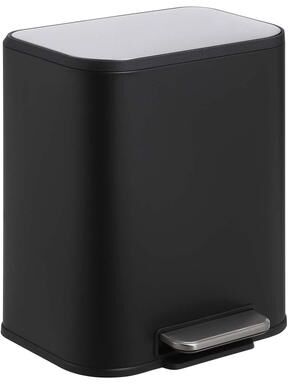
Garvee 5.2 Gal Silver Stainless Steel Step Trash Can, 20L Rectangular Bin, Soft-Close Lid, Removable Inner BucketKeep your space pristine with this 5.2 Gallon (20L) stainless steel step trash can. Featuring a fingerprint-proof brushed finish and a space-saving rectangular design, this durable waste bin fits perfectly in kitchens or bathrooms.74,57 $*Shipping: 0,00 $Secure redirect to the provider
-
Garvee 20L Stainless Steel Step Trash Can - Soft Close Lid and Removable Bucket - Sleek Rectangular Waste Bin, BlackUpgrade your space with this premium 5.3-gallon stainless steel trash can. Featuring a sophisticated black polished finish, this rectangular bin uses a durable foot pedal for hands-free hygiene.79,36 $*Shipping: 0,00 $Secure redirect to the provider
-
Garvee 5.3 Gal/20L Stainless Steel Pedal Trash Can, Soft-Close Lid & Inner Bucket for Kitchen, Office, BlackSleek Modern Design for Any Room: Trash can kitchen featuring a clean rectangular silhouette with smooth lines, this 20L trash can adds contemporary style to kitchens, bathrooms, home offices, or any living space.70,18 $*Shipping: 0,00 $Secure redirect to the provider

-
At what speed is a car most fuel-efficient on the highway?
A car is most fuel-efficient on the highway when it is traveling at a moderate and consistent speed, typically around 50-60 miles per hour. This is because the engine is operating at its optimal efficiency at this speed, resulting in better fuel economy. Driving at higher speeds can decrease fuel efficiency due to increased air resistance, while driving at lower speeds may cause the engine to work harder and use more fuel. Therefore, maintaining a steady speed within the optimal range is key to maximizing fuel efficiency on the highway. **
-
Why does a car consume more fuel at a constant speed, but increasing mass?
A car consumes more fuel at a constant speed when its mass increases because it requires more energy to overcome the inertia of the heavier vehicle. This means that the engine has to work harder to maintain the same speed, leading to increased fuel consumption. Additionally, the increased mass also results in more friction and resistance from the road, further contributing to the higher fuel consumption. Overall, the increased mass of the car requires more energy to keep it moving at a constant speed, leading to higher fuel consumption. **
-
How do I calculate the efficiency of my car based on the work done and the fuel consumed?
To calculate the efficiency of your car, you can use the formula: Efficiency = (Work done) / (Fuel consumed). First, you need to measure the work done by your car, which can be calculated by multiplying the force applied to the car by the distance it travels. Then, measure the fuel consumed by your car in liters or gallons. Finally, divide the work done by the fuel consumed to get the efficiency of your car. This will give you a measure of how effectively your car is using fuel to perform work. **
-
What speed does a diesel car need to reach in order to burn off and regenerate its particulate filter without adding diesel fuel?
In order to burn off and regenerate its particulate filter without adding diesel fuel, a diesel car typically needs to reach a speed of around 40-50 miles per hour (64-80 kilometers per hour) for a sustained period of time. This speed allows for the exhaust system to reach the necessary temperature to burn off the accumulated soot and particulate matter in the filter. This process is known as "regeneration" and is necessary for maintaining the efficiency and performance of the diesel particulate filter. **
By what percentage does the fuel consumption (in l/100km) of a midsize car generally increase when driving at a speed of 160 km/h compared to normal driving?
The fuel consumption of a midsize car generally increases by approximately 20-25% when driving at a speed of 160 km/h compared to normal driving. This is due to the increased air resistance and the higher engine revs required to maintain the higher speed, leading to a higher fuel consumption rate. It is important to drive at a moderate speed to optimize fuel efficiency and reduce fuel costs. **
Top-Angebote
Products related to Garvee-20L-Metal-Fuel:
-
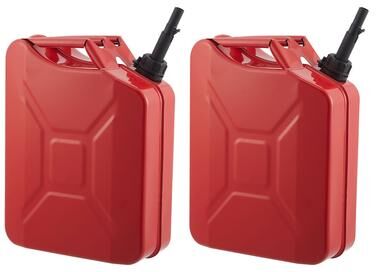
Garvee 20L Metal Fuel Can, 5.3 Gallon Jerry Can with Tube, Sealing Cap & Comfort Handle, Rust-Resistant for Car, Motorcycle6 L/min fast-flowing pour spout with 20mm extension tube ensures smooth refueling with reduced splashing and fuel waste.84,49 $*Shipping: 0,00 $Secure redirect to the provider
-
Garvee 5.2 Gal Silver Stainless Steel Step Trash Can, 20L Rectangular Bin, Soft-Close Lid, Removable Inner BucketKeep your space pristine with this 5.2 Gallon (20L) stainless steel step trash can. Featuring a fingerprint-proof brushed finish and a space-saving rectangular design, this durable waste bin fits perfectly in kitchens or bathrooms.74,57 $*Shipping: 0,00 $Secure redirect to the provider
-
Does the car ventilation consume fuel when it is cold or warm? Does it increase fuel consumption or decrease performance?
The car ventilation system does consume fuel when it is cold as it requires energy to power the fan and heating elements. However, when the car is warm, the ventilation system consumes less fuel as it does not need to work as hard to heat the air. Overall, the impact on fuel consumption is minimal, and it does not significantly affect the performance of the vehicle. **
-
At what speed does a car consume the least amount of fuel?
A car consumes the least amount of fuel when it is driven at a moderate and consistent speed, typically around 50-60 miles per hour. This speed allows the engine to operate efficiently without working too hard, resulting in optimal fuel consumption. Driving at higher speeds increases air resistance, which in turn requires more fuel to maintain speed. Conversely, driving at very low speeds or in stop-and-go traffic can also increase fuel consumption due to frequent acceleration and deceleration. **
-
At what speed is a car most fuel-efficient on the highway?
A car is most fuel-efficient on the highway when it is traveling at a moderate and consistent speed, typically around 50-60 miles per hour. This is because the engine is operating at its optimal efficiency at this speed, resulting in better fuel economy. Driving at higher speeds can decrease fuel efficiency due to increased air resistance, while driving at lower speeds may cause the engine to work harder and use more fuel. Therefore, maintaining a steady speed within the optimal range is key to maximizing fuel efficiency on the highway. **
-
Why does a car consume more fuel at a constant speed, but increasing mass?
A car consumes more fuel at a constant speed when its mass increases because it requires more energy to overcome the inertia of the heavier vehicle. This means that the engine has to work harder to maintain the same speed, leading to increased fuel consumption. Additionally, the increased mass also results in more friction and resistance from the road, further contributing to the higher fuel consumption. Overall, the increased mass of the car requires more energy to keep it moving at a constant speed, leading to higher fuel consumption. **
Similar search terms for Garvee-20L-Metal-Fuel
-
Garvee 20L Stainless Steel Step Trash Can - Soft Close Lid and Removable Bucket - Sleek Rectangular Waste Bin, BlackUpgrade your space with this premium 5.3-gallon stainless steel trash can. Featuring a sophisticated black polished finish, this rectangular bin uses a durable foot pedal for hands-free hygiene.79,36 $*Shipping: 0,00 $Secure redirect to the provider
-
Garvee 5.3 Gal/20L Stainless Steel Pedal Trash Can, Soft-Close Lid & Inner Bucket for Kitchen, Office, BlackSleek Modern Design for Any Room: Trash can kitchen featuring a clean rectangular silhouette with smooth lines, this 20L trash can adds contemporary style to kitchens, bathrooms, home offices, or any living space.70,18 $*Shipping: 0,00 $Secure redirect to the provider
-
Garvee 20L Metal Fuel Can, 5.3 Gallon Jerry Can with Tube, Sealing Cap & Comfort Handle, Rust-Resistant for Car, Motorcycle6 L/min fast-flowing pour spout with 20mm extension tube ensures smooth refueling with reduced splashing and fuel waste.139,99 $*Shipping: 0,00 $Secure redirect to the provider
-
How do I calculate the efficiency of my car based on the work done and the fuel consumed?
To calculate the efficiency of your car, you can use the formula: Efficiency = (Work done) / (Fuel consumed). First, you need to measure the work done by your car, which can be calculated by multiplying the force applied to the car by the distance it travels. Then, measure the fuel consumed by your car in liters or gallons. Finally, divide the work done by the fuel consumed to get the efficiency of your car. This will give you a measure of how effectively your car is using fuel to perform work. **
-
What speed does a diesel car need to reach in order to burn off and regenerate its particulate filter without adding diesel fuel?
In order to burn off and regenerate its particulate filter without adding diesel fuel, a diesel car typically needs to reach a speed of around 40-50 miles per hour (64-80 kilometers per hour) for a sustained period of time. This speed allows for the exhaust system to reach the necessary temperature to burn off the accumulated soot and particulate matter in the filter. This process is known as "regeneration" and is necessary for maintaining the efficiency and performance of the diesel particulate filter. **
-
By what percentage does the fuel consumption (in l/100km) of a midsize car generally increase when driving at a speed of 160 km/h compared to normal driving?
The fuel consumption of a midsize car generally increases by approximately 20-25% when driving at a speed of 160 km/h compared to normal driving. This is due to the increased air resistance and the higher engine revs required to maintain the higher speed, leading to a higher fuel consumption rate. It is important to drive at a moderate speed to optimize fuel efficiency and reduce fuel costs. **
* All prices are inclusive of VAT and, if applicable, plus shipping costs. The offer information is based on the details provided by the respective shop and is updated through automated processes. Real-time updates do not occur, so deviations can occur in individual cases. ** Note: Parts of this content were created by AI.