Buy euro-car.eu ?
We are moving the project
euro-car.eu .
Are you interested in purchasing the domain
euro-car.eu ?
domain@kv-gmbh.de · 0541-91531010
Buy euro-car.eu ?
Why don't lemons corrode?
Lemons do not corrode because they have a high acidity level, which acts as a natural preservative. The citric acid in lemons helps to inhibit the growth of bacteria and other microorganisms that can cause corrosion. Additionally, the protective outer layer of the lemon peel helps to prevent the juice from coming into direct contact with metal surfaces, further reducing the risk of corrosion. Overall, the combination of acidity and protective barriers in lemons helps to prevent corrosion from occurring. **
Does saltwater corrode aluminum?
Yes, saltwater can corrode aluminum. When aluminum is exposed to saltwater, a chemical reaction occurs that leads to the formation of aluminum oxide, which is a type of corrosion known as pitting corrosion. This can weaken the aluminum and eventually lead to structural damage if not properly treated or protected. To prevent corrosion, it is important to use protective coatings or alloys that are more resistant to saltwater exposure. **


Similar search terms for Corrode
Top-Angebote
Products related to Corrode:
-
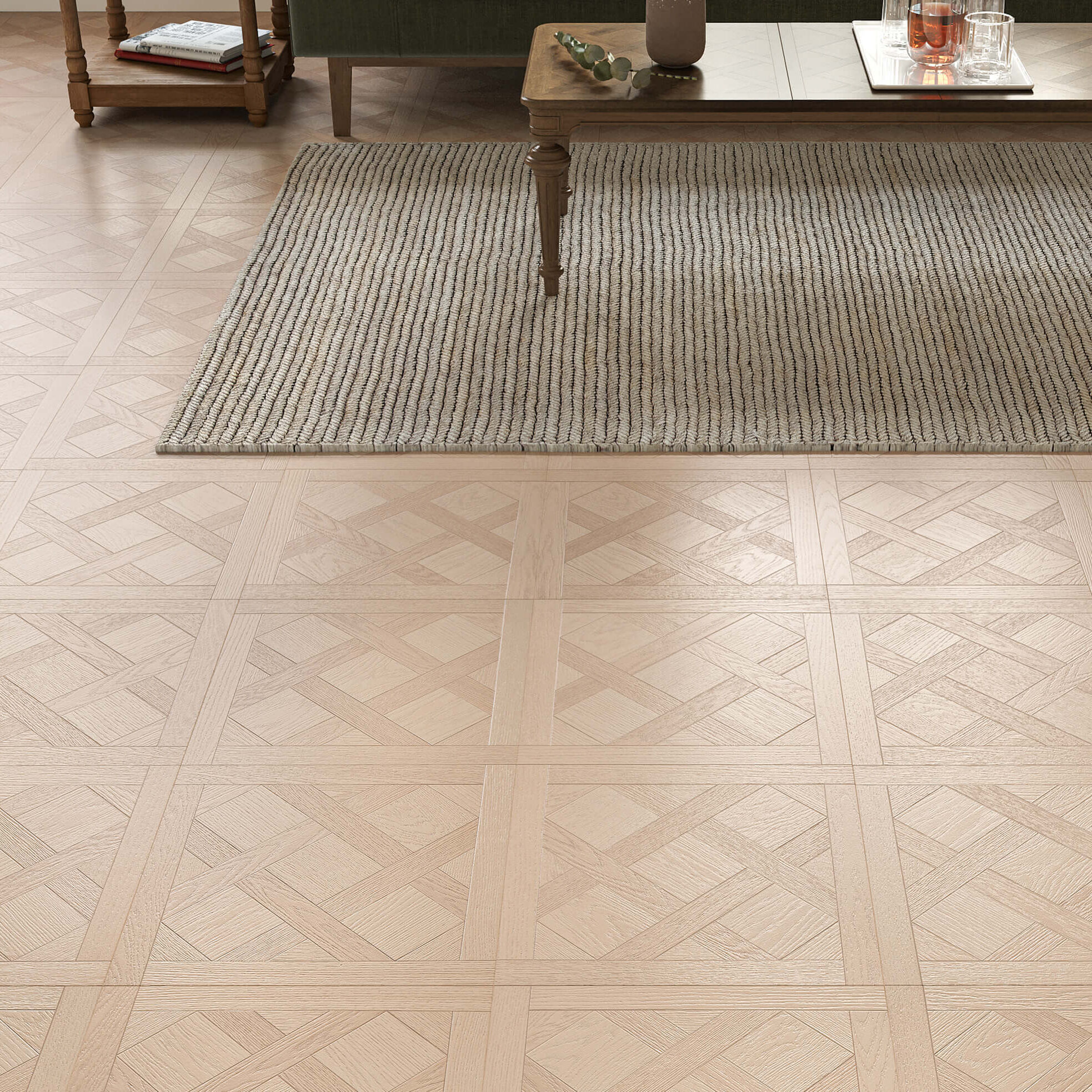
Luxury Flooring 19.99m² - Prestige 12mm Jardin Versailles Laminate Flooring - Water ResistantOur Prestige 12mm Jardin Versailles Laminate is the picture of vintage elegance. The pale blonde tiles are adorned with the quintessential Versailles criss-cross pattern, while their surface has been embossed for a textured look and feel. Get the breathtaking beauty of a Versailles floor with the practical benefits of laminate. This 12mm laminate is one of our thickest, most hardwearing laminate floors. With a durable, water-resistant coating, everyday life is no match for the Prestige Jardin. You’ll have this floor fitted in no time, thanks to its handy click-fit system. Plus, laminate works beautifully over underfloor heating, so you’ll have toasty toes all year round! Want a closer peek at this stunning floor? Order your free sample now!39,10 £*Shipping: 39,95 £Secure redirect to the provider
-
Sesderma Reti Age 5 Liposomal Serum Anti-Aging Innovation 30mLA facial serum for wrinkles and signs of ageing. Reduces wrinkles and fine lines. Hydrates and strengthens barrier. Restores youthful radiance. 5-Retinoid System: smooths wrinkles, accelerates renewal, and boosts collagen. Biomimetic Peptides: fill expression lines by stimulating collagen synthesis.41,69 £*Shipping: 5,34 £Secure redirect to the provider
-
Uplift Essentials High Performance Memory Foam Car Neck Pillow High Performance Memory Foam Car Neck PillowUpgrade your driving ergonomics with a hightorque cervical support solution. This memory foam car neck pillow is a professionalgrade headrest cushion engineered to fill the structural gap between your spine and the vehicle seat. Crafted from...61,97 $*Shipping: 0,00 $Secure redirect to the provider



-
Can stomach acid corrode glass?
Stomach acid, also known as hydrochloric acid, is a strong acid that can corrode many materials, including glass. However, glass is generally resistant to the corrosive effects of stomach acid due to its non-reactive nature. While prolonged exposure to stomach acid may eventually cause some etching or dulling of the glass surface, it is unlikely to cause significant corrosion or damage. **
-
Why do acids and bases corrode?
Acids and bases are corrosive because they have the ability to react with and break down materials they come into contact with. Acids donate protons, which can react with metals, causing them to corrode. Bases, on the other hand, can react with fats and oils, breaking them down and causing corrosion. The corrosive nature of acids and bases is due to their ability to chemically react with substances, leading to degradation and deterioration of materials. **
-
Why do acids corrode base metals? Explain this using an example.
Acids corrode base metals because they can donate hydrogen ions (H+) to the metal surface, leading to the formation of metal ions and hydrogen gas. This process weakens the metal structure, making it more susceptible to corrosion. For example, when hydrochloric acid (HCl) comes into contact with iron (Fe), it reacts to form iron chloride (FeCl2) and hydrogen gas (H2), causing the iron to corrode and deteriorate over time. **
-
Do batteries, especially button cells, really leak and corrode after years?
Yes, batteries, including button cells, can leak and corrode over time. This is typically caused by a chemical reaction within the battery that leads to the leakage of corrosive materials. This can happen more frequently in older or expired batteries. It is important to regularly check and replace batteries to prevent leakage and corrosion, which can damage electronic devices. **

Is there an acid that can corrode almost anything in seconds?
There is no single acid that can corrode almost anything in seconds. While there are strong acids such as hydrochloric acid and sulfuric acid that can corrode many materials, they do not instantly corrode everything. The speed and extent of corrosion depend on the specific material and the concentration of the acid. Additionally, there are some materials that are resistant to corrosion from even the strongest acids. **
Do batteries, especially button cells, really run out and corrode after years?
Yes, batteries, including button cells, can run out and corrode after years of use. Over time, the chemicals inside the battery can degrade, leading to a decrease in power output. Additionally, if a battery is left unused for an extended period, it can leak and corrode, causing damage to the device it is powering. It is important to regularly check and replace batteries to prevent these issues. **
Top-Angebote
Products related to Corrode:
-
Luxury Flooring 19.99m² - Prestige 12mm Chambre Versailles Laminate Flooring - Water ResistantEmbrace the showstopping beauty of a Versailles floor without compromising on practicality, thanks to our Prestige 12mm Chambre Versailles Laminate. Light brown tiles form the base of this vintage-inspired floor. Each tile is decorated with the criss-cross pattern that Versailles flooring is known for, while an embossed surface adds texture for a natural look and feel. At 12mm thick, this floor is one of our most durable laminates. Boasting a hardwearing, water-resistant surface, the Prestige Chambre can handle whatever life throws at it. This floor is fitted with a handy click-fit system which makes it a breeze to install. Plus, laminate pairs perfectly with underfloor heating, so you’ll never have cold feet again! Want to see this gorgeous floor yourself? Order your free sample now!39,10 £*Shipping: 39,95 £Secure redirect to the provider
-
Luxury Flooring 19.99m² - Prestige 12mm Jardin Versailles Laminate Flooring - Water ResistantOur Prestige 12mm Jardin Versailles Laminate is the picture of vintage elegance. The pale blonde tiles are adorned with the quintessential Versailles criss-cross pattern, while their surface has been embossed for a textured look and feel. Get the breathtaking beauty of a Versailles floor with the practical benefits of laminate. This 12mm laminate is one of our thickest, most hardwearing laminate floors. With a durable, water-resistant coating, everyday life is no match for the Prestige Jardin. You’ll have this floor fitted in no time, thanks to its handy click-fit system. Plus, laminate works beautifully over underfloor heating, so you’ll have toasty toes all year round! Want a closer peek at this stunning floor? Order your free sample now!39,10 £*Shipping: 39,95 £Secure redirect to the provider
-
Why don't lemons corrode?
Lemons do not corrode because they have a high acidity level, which acts as a natural preservative. The citric acid in lemons helps to inhibit the growth of bacteria and other microorganisms that can cause corrosion. Additionally, the protective outer layer of the lemon peel helps to prevent the juice from coming into direct contact with metal surfaces, further reducing the risk of corrosion. Overall, the combination of acidity and protective barriers in lemons helps to prevent corrosion from occurring. **
-
Does saltwater corrode aluminum?
Yes, saltwater can corrode aluminum. When aluminum is exposed to saltwater, a chemical reaction occurs that leads to the formation of aluminum oxide, which is a type of corrosion known as pitting corrosion. This can weaken the aluminum and eventually lead to structural damage if not properly treated or protected. To prevent corrosion, it is important to use protective coatings or alloys that are more resistant to saltwater exposure. **
-
Can stomach acid corrode glass?
Stomach acid, also known as hydrochloric acid, is a strong acid that can corrode many materials, including glass. However, glass is generally resistant to the corrosive effects of stomach acid due to its non-reactive nature. While prolonged exposure to stomach acid may eventually cause some etching or dulling of the glass surface, it is unlikely to cause significant corrosion or damage. **
-
Why do acids and bases corrode?
Acids and bases are corrosive because they have the ability to react with and break down materials they come into contact with. Acids donate protons, which can react with metals, causing them to corrode. Bases, on the other hand, can react with fats and oils, breaking them down and causing corrosion. The corrosive nature of acids and bases is due to their ability to chemically react with substances, leading to degradation and deterioration of materials. **
Similar search terms for Corrode
-
Sesderma Reti Age 5 Liposomal Serum Anti-Aging Innovation 30mLA facial serum for wrinkles and signs of ageing. Reduces wrinkles and fine lines. Hydrates and strengthens barrier. Restores youthful radiance. 5-Retinoid System: smooths wrinkles, accelerates renewal, and boosts collagen. Biomimetic Peptides: fill expression lines by stimulating collagen synthesis.41,69 £*Shipping: 5,34 £Secure redirect to the provider
-
Uplift Essentials High Performance Memory Foam Car Neck Pillow High Performance Memory Foam Car Neck PillowUpgrade your driving ergonomics with a hightorque cervical support solution. This memory foam car neck pillow is a professionalgrade headrest cushion engineered to fill the structural gap between your spine and the vehicle seat. Crafted from...61,97 $*Shipping: 0,00 $Secure redirect to the provider
-
Uplift Essentials Luxury Diamond Encrusted Heart Car Pendant Luxury Diamond Encrusted Heart Car PendantAdd a touch of radiant elegance to your vehicle with an accessory that captures the light and elevates your interior aesthetic. This diamondencrusted love car pendant is a premium decorative piece designed for drivers who appreciate a sophisticated,...57,97 $*Shipping: 0,00 $Secure redirect to the provider
-
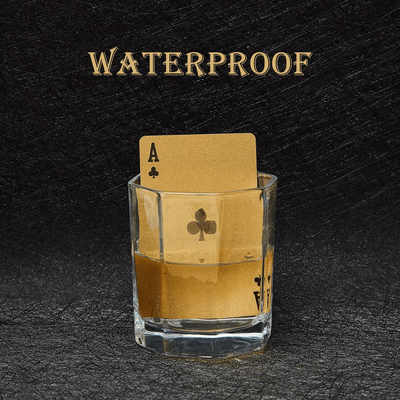
Inspire Essentials 24K Gold Waterproof Playing Cards Luxury Plastic Poker Deck euroBring a touch of luxury to every game night. These gold playing cards are designed to impress, combining a brilliant metallic look with the durability of premium plastic. Made for poker lovers, collectors, and families who enjoy stylish table games,...42,48 $*Shipping: 0,00 $Secure redirect to the provider
-
Why do acids corrode base metals? Explain this using an example.
Acids corrode base metals because they can donate hydrogen ions (H+) to the metal surface, leading to the formation of metal ions and hydrogen gas. This process weakens the metal structure, making it more susceptible to corrosion. For example, when hydrochloric acid (HCl) comes into contact with iron (Fe), it reacts to form iron chloride (FeCl2) and hydrogen gas (H2), causing the iron to corrode and deteriorate over time. **
-
Do batteries, especially button cells, really leak and corrode after years?
Yes, batteries, including button cells, can leak and corrode over time. This is typically caused by a chemical reaction within the battery that leads to the leakage of corrosive materials. This can happen more frequently in older or expired batteries. It is important to regularly check and replace batteries to prevent leakage and corrosion, which can damage electronic devices. **
-
Is there an acid that can corrode almost anything in seconds?
There is no single acid that can corrode almost anything in seconds. While there are strong acids such as hydrochloric acid and sulfuric acid that can corrode many materials, they do not instantly corrode everything. The speed and extent of corrosion depend on the specific material and the concentration of the acid. Additionally, there are some materials that are resistant to corrosion from even the strongest acids. **
-
Do batteries, especially button cells, really run out and corrode after years?
Yes, batteries, including button cells, can run out and corrode after years of use. Over time, the chemicals inside the battery can degrade, leading to a decrease in power output. Additionally, if a battery is left unused for an extended period, it can leak and corrode, causing damage to the device it is powering. It is important to regularly check and replace batteries to prevent these issues. **
* All prices are inclusive of VAT and, if applicable, plus shipping costs. The offer information is based on the details provided by the respective shop and is updated through automated processes. Real-time updates do not occur, so deviations can occur in individual cases. ** Note: Parts of this content were created by AI.