Buy euro-car.eu ?
We are moving the project
euro-car.eu .
Are you interested in purchasing the domain
euro-car.eu ?
domain@kv-gmbh.de · 0541-91531010
Buy euro-car.eu ?
What is aldehyde alcohol?
Aldehyde alcohol, also known as an aldehyde, is a type of organic compound that contains a carbonyl group (a carbon atom double-bonded to an oxygen atom) bonded to a hydrogen atom and an R group. Aldehydes are characterized by their distinctive odor and are commonly used in the production of perfumes and flavorings. They are also important intermediates in organic synthesis and are found in many natural products. Examples of aldehyde alcohols include formaldehyde, acetaldehyde, and benzaldehyde. **
Is glucose an aldehyde?
Yes, glucose is an aldehyde. It is a monosaccharide with a six-carbon structure, and the first carbon in the chain contains an aldehyde functional group. This aldehyde group is responsible for many of the chemical reactions and properties of glucose. **


Similar search terms for Aldehyde
Top-Angebote
Products related to Aldehyde:
-
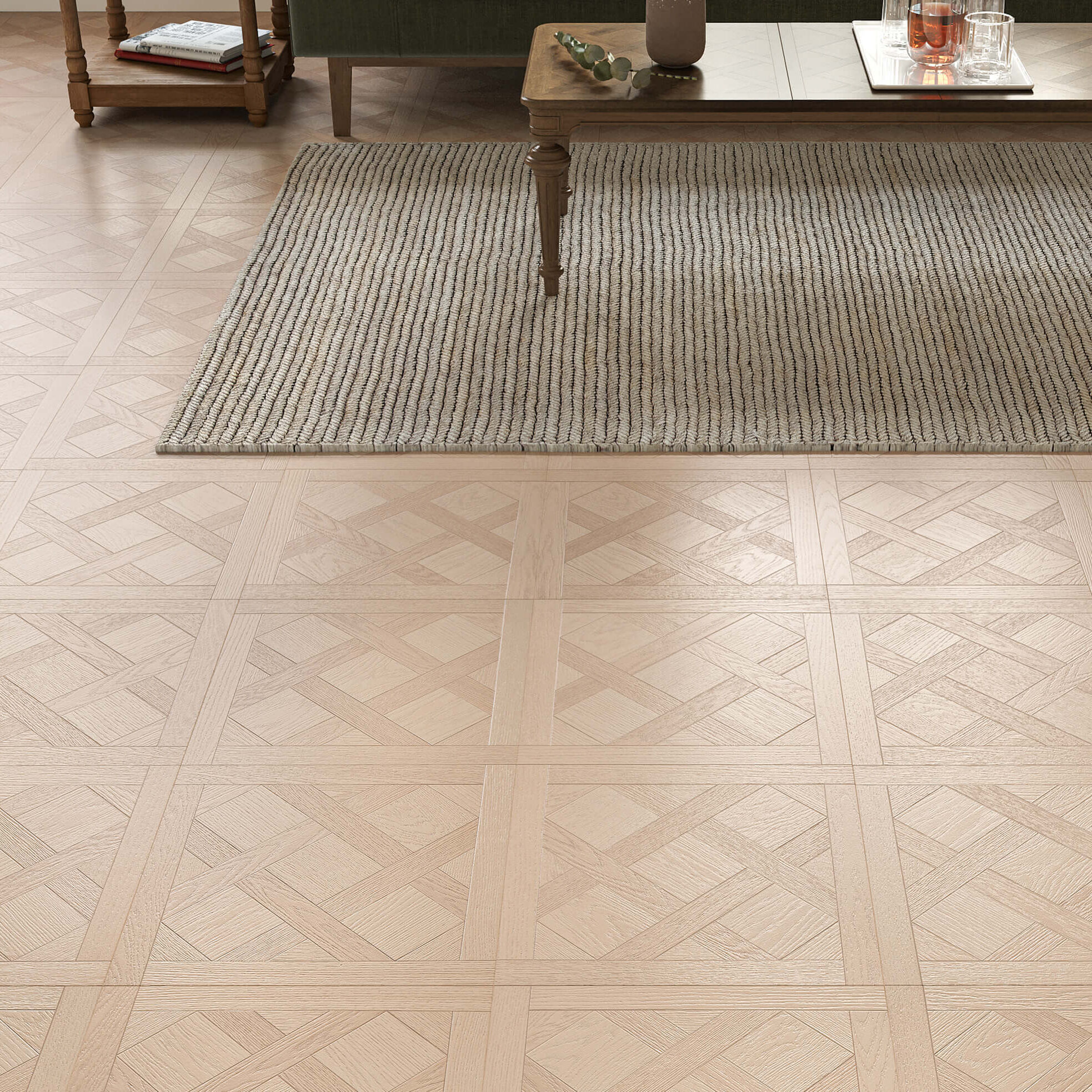
Luxury Flooring 19.99m² - Prestige 12mm Chambre Versailles Laminate Flooring - Water ResistantEmbrace the showstopping beauty of a Versailles floor without compromising on practicality, thanks to our Prestige 12mm Chambre Versailles Laminate. Light brown tiles form the base of this vintage-inspired floor. Each tile is decorated with the criss-cross pattern that Versailles flooring is known for, while an embossed surface adds texture for a natural look and feel. At 12mm thick, this floor is one of our most durable laminates. Boasting a hardwearing, water-resistant surface, the Prestige Chambre can handle whatever life throws at it. This floor is fitted with a handy click-fit system which makes it a breeze to install. Plus, laminate pairs perfectly with underfloor heating, so you’ll never have cold feet again! Want to see this gorgeous floor yourself? Order your free sample now!39,10 £*Shipping: 39,95 £Secure redirect to the provider
-
Luxury Flooring 19.99m² - Prestige 12mm Jardin Versailles Laminate Flooring - Water ResistantOur Prestige 12mm Jardin Versailles Laminate is the picture of vintage elegance. The pale blonde tiles are adorned with the quintessential Versailles criss-cross pattern, while their surface has been embossed for a textured look and feel. Get the breathtaking beauty of a Versailles floor with the practical benefits of laminate. This 12mm laminate is one of our thickest, most hardwearing laminate floors. With a durable, water-resistant coating, everyday life is no match for the Prestige Jardin. You’ll have this floor fitted in no time, thanks to its handy click-fit system. Plus, laminate works beautifully over underfloor heating, so you’ll have toasty toes all year round! Want a closer peek at this stunning floor? Order your free sample now!39,10 £*Shipping: 39,95 £Secure redirect to the provider
-
Elegant Comfort Luxury Super-Soft 3-Piece Pintuck Design Duvet Cover SetExperience luxury like you've never felt before with these silky soft duvet covers that feel almost hedonistic, this sumptuous set is going to bring your dreams to a whole new level.40,99 $*Shipping: 0,00 $Secure redirect to the provider
-
Elegant Comfort Luxury Super-Soft 3-Piece Pintuck Design Duvet Cover SetExperience luxury like you've never felt before with these silky soft duvet covers that feel almost hedonistic, this sumptuous set is going to bring your dreams to a whole new level.45,49 $*Shipping: 0,00 $Secure redirect to the provider



-
What are aldehyde ketones and carboxylic acids?
Aldehyde ketones and carboxylic acids are all types of organic compounds. Aldehydes are characterized by a carbonyl group (C=O) bonded to at least one hydrogen atom, while ketones have the carbonyl group bonded to two carbon atoms. Carboxylic acids have a carboxyl group (COOH), which consists of a carbonyl group bonded to a hydroxyl group. These compounds are important in organic chemistry and are found in various natural and synthetic substances, including many essential biological molecules. **
-
What are the functions of aldehyde groups?
Aldehyde groups have several important functions in organic chemistry. They are involved in the oxidation of alcohols to form aldehydes, and in turn, aldehydes can be further oxidized to form carboxylic acids. Aldehydes also participate in nucleophilic addition reactions, forming hemiacetals and acetals. Additionally, aldehydes are important intermediates in the synthesis of various organic compounds, including pharmaceuticals and fragrances. **
-
What is the chemical name for glucose aldehyde?
The chemical name for glucose aldehyde is D-glucose. Glucose is a simple sugar and an important source of energy for living organisms. In its aldehyde form, glucose has a carbonyl group (C=O) at the end of the carbon chain. **
-
Why is the H removed from the hydroxyl and not from the aldehyde?
The H is removed from the hydroxyl group in a reaction because the hydroxyl group is more acidic than the aldehyde group. This is due to the presence of the electronegative oxygen atom in the hydroxyl group, which stabilizes the negative charge that forms when the H is removed. In contrast, the aldehyde group is less acidic because the electron-withdrawing oxygen is part of a double bond, making it less able to stabilize the negative charge. Therefore, the H is removed from the hydroxyl group in a reaction, leaving the aldehyde group intact. **


Why can the hydrogen atom in the aldehyde group not form hydrogen bonds?
The hydrogen atom in the aldehyde group cannot form hydrogen bonds because it is directly bonded to a carbon atom, which is less electronegative than oxygen. Hydrogen bonding occurs between a hydrogen atom bonded to a highly electronegative atom (such as oxygen or nitrogen) and a lone pair of electrons on another highly electronegative atom. In the aldehyde group, the oxygen atom is the one capable of forming hydrogen bonds due to its high electronegativity and lone pairs of electrons, while the hydrogen atom is not in a position to participate in hydrogen bonding. **
Why is the H cleaved from the hydroxyl group and not from the aldehyde?
The hydroxyl group is more acidic than the aldehyde group, meaning it is easier for the hydrogen to be cleaved from the hydroxyl group. This is due to the presence of the electronegative oxygen atom in the hydroxyl group, which stabilizes the negative charge that forms when the hydrogen is removed. In contrast, the aldehyde group is less acidic because the carbonyl carbon is less electronegative than oxygen, making it less favorable for the hydrogen to be cleaved from the aldehyde group. **
Top-Angebote
Products related to Aldehyde:
-
Luxury Flooring 19.99m² - Prestige 12mm Chambre Versailles Laminate Flooring - Water ResistantEmbrace the showstopping beauty of a Versailles floor without compromising on practicality, thanks to our Prestige 12mm Chambre Versailles Laminate. Light brown tiles form the base of this vintage-inspired floor. Each tile is decorated with the criss-cross pattern that Versailles flooring is known for, while an embossed surface adds texture for a natural look and feel. At 12mm thick, this floor is one of our most durable laminates. Boasting a hardwearing, water-resistant surface, the Prestige Chambre can handle whatever life throws at it. This floor is fitted with a handy click-fit system which makes it a breeze to install. Plus, laminate pairs perfectly with underfloor heating, so you’ll never have cold feet again! Want to see this gorgeous floor yourself? Order your free sample now!39,10 £*Shipping: 39,95 £Secure redirect to the provider
-
Luxury Flooring 19.99m² - Prestige 12mm Jardin Versailles Laminate Flooring - Water ResistantOur Prestige 12mm Jardin Versailles Laminate is the picture of vintage elegance. The pale blonde tiles are adorned with the quintessential Versailles criss-cross pattern, while their surface has been embossed for a textured look and feel. Get the breathtaking beauty of a Versailles floor with the practical benefits of laminate. This 12mm laminate is one of our thickest, most hardwearing laminate floors. With a durable, water-resistant coating, everyday life is no match for the Prestige Jardin. You’ll have this floor fitted in no time, thanks to its handy click-fit system. Plus, laminate works beautifully over underfloor heating, so you’ll have toasty toes all year round! Want a closer peek at this stunning floor? Order your free sample now!39,10 £*Shipping: 39,95 £Secure redirect to the provider
-
What is aldehyde alcohol?
Aldehyde alcohol, also known as an aldehyde, is a type of organic compound that contains a carbonyl group (a carbon atom double-bonded to an oxygen atom) bonded to a hydrogen atom and an R group. Aldehydes are characterized by their distinctive odor and are commonly used in the production of perfumes and flavorings. They are also important intermediates in organic synthesis and are found in many natural products. Examples of aldehyde alcohols include formaldehyde, acetaldehyde, and benzaldehyde. **
-
Is glucose an aldehyde?
Yes, glucose is an aldehyde. It is a monosaccharide with a six-carbon structure, and the first carbon in the chain contains an aldehyde functional group. This aldehyde group is responsible for many of the chemical reactions and properties of glucose. **
-
What are aldehyde ketones and carboxylic acids?
Aldehyde ketones and carboxylic acids are all types of organic compounds. Aldehydes are characterized by a carbonyl group (C=O) bonded to at least one hydrogen atom, while ketones have the carbonyl group bonded to two carbon atoms. Carboxylic acids have a carboxyl group (COOH), which consists of a carbonyl group bonded to a hydroxyl group. These compounds are important in organic chemistry and are found in various natural and synthetic substances, including many essential biological molecules. **
-
What are the functions of aldehyde groups?
Aldehyde groups have several important functions in organic chemistry. They are involved in the oxidation of alcohols to form aldehydes, and in turn, aldehydes can be further oxidized to form carboxylic acids. Aldehydes also participate in nucleophilic addition reactions, forming hemiacetals and acetals. Additionally, aldehydes are important intermediates in the synthesis of various organic compounds, including pharmaceuticals and fragrances. **
Similar search terms for Aldehyde
-
Elegant Comfort Luxury Super-Soft 3-Piece Pintuck Design Duvet Cover SetExperience luxury like you've never felt before with these silky soft duvet covers that feel almost hedonistic, this sumptuous set is going to bring your dreams to a whole new level.40,99 $*Shipping: 0,00 $Secure redirect to the provider
-
Elegant Comfort Luxury Super-Soft 3-Piece Pintuck Design Duvet Cover SetExperience luxury like you've never felt before with these silky soft duvet covers that feel almost hedonistic, this sumptuous set is going to bring your dreams to a whole new level.45,49 $*Shipping: 0,00 $Secure redirect to the provider
-
Elegant Comfort Luxury Super-Soft 3-Piece Pintuck Design Duvet Cover SetExperience luxury like you've never felt before with these silky soft duvet covers that feel almost hedonistic, this sumptuous set is going to bring your dreams to a whole new level.40,49 $*Shipping: 0,00 $Secure redirect to the provider
-
Elegant Comfort Luxury Super-Soft 3-Piece Pintuck Design Duvet Cover SetExperience luxury like you've never felt before with these silky soft duvet covers that feel almost hedonistic, this sumptuous set is going to bring your dreams to a whole new level.43,49 $*Shipping: 0,00 $Secure redirect to the provider
-
What is the chemical name for glucose aldehyde?
The chemical name for glucose aldehyde is D-glucose. Glucose is a simple sugar and an important source of energy for living organisms. In its aldehyde form, glucose has a carbonyl group (C=O) at the end of the carbon chain. **
-
Why is the H removed from the hydroxyl and not from the aldehyde?
The H is removed from the hydroxyl group in a reaction because the hydroxyl group is more acidic than the aldehyde group. This is due to the presence of the electronegative oxygen atom in the hydroxyl group, which stabilizes the negative charge that forms when the H is removed. In contrast, the aldehyde group is less acidic because the electron-withdrawing oxygen is part of a double bond, making it less able to stabilize the negative charge. Therefore, the H is removed from the hydroxyl group in a reaction, leaving the aldehyde group intact. **
-
Why can the hydrogen atom in the aldehyde group not form hydrogen bonds?
The hydrogen atom in the aldehyde group cannot form hydrogen bonds because it is directly bonded to a carbon atom, which is less electronegative than oxygen. Hydrogen bonding occurs between a hydrogen atom bonded to a highly electronegative atom (such as oxygen or nitrogen) and a lone pair of electrons on another highly electronegative atom. In the aldehyde group, the oxygen atom is the one capable of forming hydrogen bonds due to its high electronegativity and lone pairs of electrons, while the hydrogen atom is not in a position to participate in hydrogen bonding. **
-
Why is the H cleaved from the hydroxyl group and not from the aldehyde?
The hydroxyl group is more acidic than the aldehyde group, meaning it is easier for the hydrogen to be cleaved from the hydroxyl group. This is due to the presence of the electronegative oxygen atom in the hydroxyl group, which stabilizes the negative charge that forms when the hydrogen is removed. In contrast, the aldehyde group is less acidic because the carbonyl carbon is less electronegative than oxygen, making it less favorable for the hydrogen to be cleaved from the aldehyde group. **
* All prices are inclusive of VAT and, if applicable, plus shipping costs. The offer information is based on the details provided by the respective shop and is updated through automated processes. Real-time updates do not occur, so deviations can occur in individual cases. ** Note: Parts of this content were created by AI.