Buy euro-car.eu ?
We are moving the project
euro-car.eu .
Are you interested in purchasing the domain
euro-car.eu ?
domain@kv-gmbh.de · 0541-91531010
Buy euro-car.eu ?
What is the difference between absolutism and enlightened absolutism?
Absolutism is a form of government where the ruler holds absolute power and authority, often justified by the divine right of kings. In absolutist regimes, the ruler's decisions are not subject to any kind of limitation or checks and balances. On the other hand, enlightened absolutism is a form of government where the ruler exercises absolute power but also incorporates Enlightenment principles such as rationality, tolerance, and progress. Enlightened absolutist rulers aimed to improve the lives of their subjects through reforms in areas such as education, justice, and economy, while still maintaining their absolute authority. **
What is absolutism?
Absolutism is a political theory that advocates for a single ruler, typically a monarch, who holds absolute power and authority over the government and the people. This form of government is characterized by centralized control, where the ruler has unchecked power and is not bound by a constitution or laws. Absolutism often involves the belief in the divine right of kings, where the monarch's authority is seen as coming directly from a higher power. This system of government was prevalent in Europe during the 17th and 18th centuries. **


Similar search terms for Absolutism
Top-Angebote
Products related to Absolutism:
-
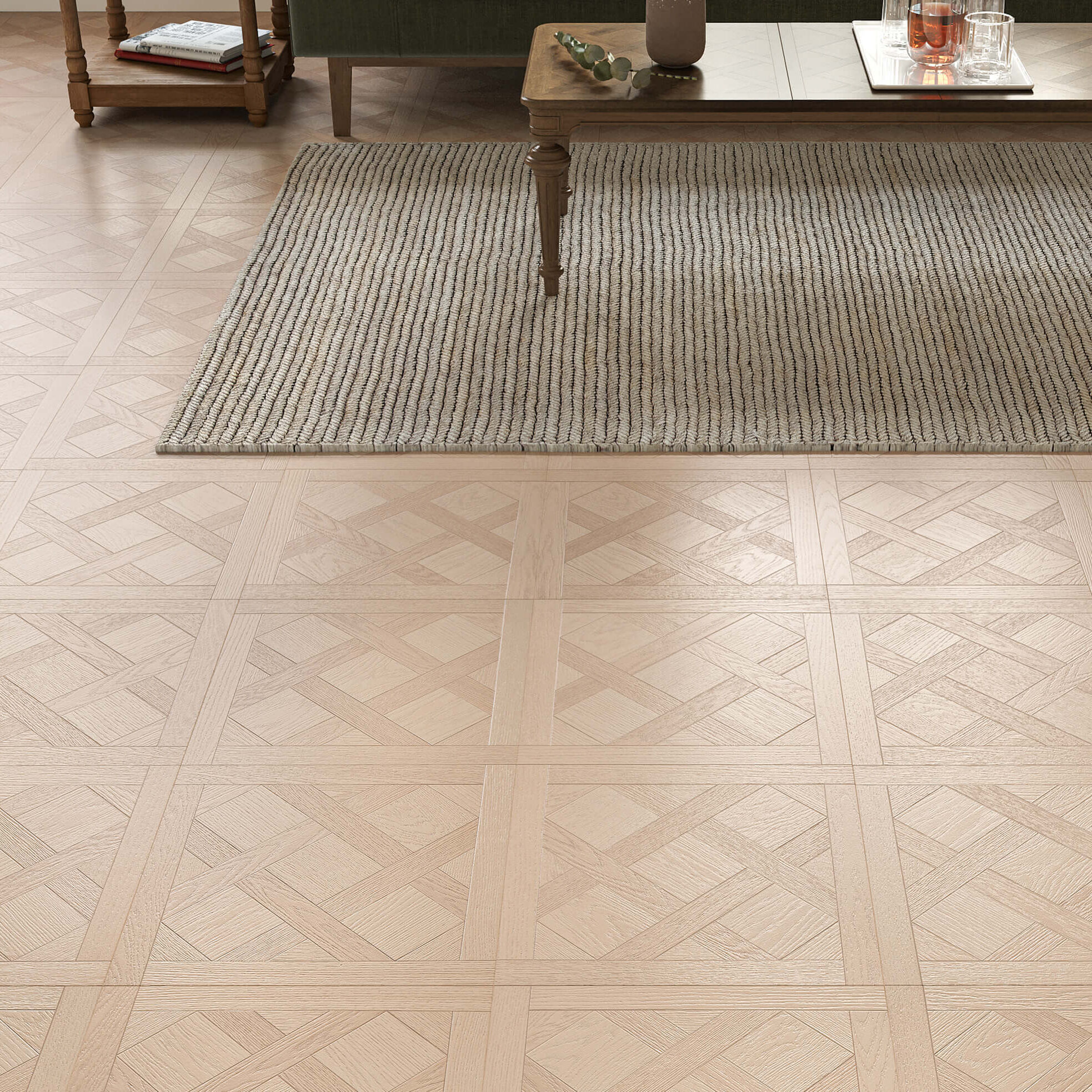
Luxury Flooring 19.99m² - Prestige 12mm Jardin Versailles Laminate Flooring - Water ResistantOur Prestige 12mm Jardin Versailles Laminate is the picture of vintage elegance. The pale blonde tiles are adorned with the quintessential Versailles criss-cross pattern, while their surface has been embossed for a textured look and feel. Get the breathtaking beauty of a Versailles floor with the practical benefits of laminate. This 12mm laminate is one of our thickest, most hardwearing laminate floors. With a durable, water-resistant coating, everyday life is no match for the Prestige Jardin. You’ll have this floor fitted in no time, thanks to its handy click-fit system. Plus, laminate works beautifully over underfloor heating, so you’ll have toasty toes all year round! Want a closer peek at this stunning floor? Order your free sample now!39,10 £*Shipping: 39,95 £Secure redirect to the provider
-
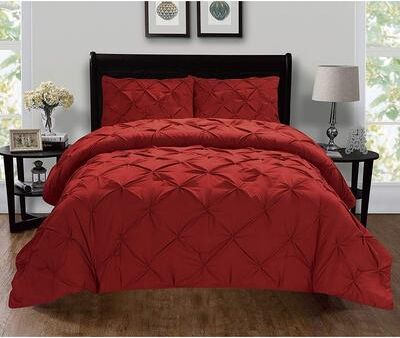
Elegant Comfort Luxury Super-Soft 3-Piece Pintuck Design Duvet Cover SetExperience luxury like you've never felt before with these silky soft duvet covers that feel almost hedonistic, this sumptuous set is going to bring your dreams to a whole new level.40,99 $*Shipping: 0,00 $Secure redirect to the provider
-
Elegant Comfort Luxury Super-Soft 3-Piece Pintuck Design Duvet Cover SetExperience luxury like you've never felt before with these silky soft duvet covers that feel almost hedonistic, this sumptuous set is going to bring your dreams to a whole new level.45,49 $*Shipping: 0,00 $Secure redirect to the provider


-
What is confessional absolutism?
Confessional absolutism is the belief that one's own religious or moral beliefs are the only true and correct ones, and that all other beliefs are false or invalid. This ideology often leads to a strict adherence to one's own beliefs and a refusal to consider or accept any alternative viewpoints. Confessional absolutism can result in intolerance, close-mindedness, and a lack of willingness to engage in dialogue or compromise with those who hold different beliefs. **
-
What is enlightened absolutism?
Enlightened absolutism was a form of government in the 18th century in which absolute monarchs sought to use their power to bring about social and political reforms inspired by the Enlightenment ideals of reason, progress, and tolerance. These monarchs, such as Frederick the Great of Prussia and Catherine the Great of Russia, aimed to centralize their authority while also implementing policies to improve the welfare of their subjects, such as religious tolerance, legal reforms, and economic development. However, despite these efforts, the ultimate goal of enlightened absolutism was to strengthen the power and authority of the monarch. **
-
What is princely absolutism?
Princely absolutism refers to a form of government in which a monarch holds absolute power and authority over their realm. This system of governance emerged in Europe during the early modern period, particularly in states where powerful monarchs sought to centralize control and limit the influence of nobles and other competing power structures. Princely absolutism was characterized by the concentration of political, military, and economic power in the hands of the monarch, often at the expense of traditional feudal institutions. This form of governance was prevalent in countries such as France, Spain, and Russia during the 16th to 18th centuries. **
-
What is war absolutism?
War absolutism is the belief that war is a legitimate and necessary tool for achieving a nation's goals, and that it should be pursued without limitations or constraints. This ideology holds that military force is the ultimate means of achieving political objectives, and that it should be used decisively and aggressively. War absolutism often rejects the idea of diplomacy and compromise, and instead prioritizes the use of force to achieve a nation's interests. **


What does absolutism mean?
Absolutism refers to a form of government in which a single ruler, usually a monarch, holds absolute power and authority over the state and its people. This means that the ruler has unchecked power and is not bound by any laws or institutions, allowing them to make decisions and enforce their will without any limitations. Absolutist rulers often justified their power through the concept of divine right, claiming that they were chosen by God to rule and that their authority was absolute and unquestionable. This form of government was prevalent in Europe during the 17th and 18th centuries. **
What is absolutism in history?
Absolutism in history refers to a form of government where a single ruler, typically a monarch, holds absolute power and authority over the state and its people. This system of governance emerged in Europe during the 17th and 18th centuries, with rulers claiming divine right to rule and making decisions without the need for approval from a parliament or other governing body. Absolutist monarchs sought to centralize power, control the nobility, and impose their will on all aspects of society, often leading to increased state control and limited individual freedoms. **
Top-Angebote
Products related to Absolutism:
-
Luxury Flooring 19.99m² - Prestige 12mm Chambre Versailles Laminate Flooring - Water ResistantEmbrace the showstopping beauty of a Versailles floor without compromising on practicality, thanks to our Prestige 12mm Chambre Versailles Laminate. Light brown tiles form the base of this vintage-inspired floor. Each tile is decorated with the criss-cross pattern that Versailles flooring is known for, while an embossed surface adds texture for a natural look and feel. At 12mm thick, this floor is one of our most durable laminates. Boasting a hardwearing, water-resistant surface, the Prestige Chambre can handle whatever life throws at it. This floor is fitted with a handy click-fit system which makes it a breeze to install. Plus, laminate pairs perfectly with underfloor heating, so you’ll never have cold feet again! Want to see this gorgeous floor yourself? Order your free sample now!39,10 £*Shipping: 39,95 £Secure redirect to the provider
-
Luxury Flooring 19.99m² - Prestige 12mm Jardin Versailles Laminate Flooring - Water ResistantOur Prestige 12mm Jardin Versailles Laminate is the picture of vintage elegance. The pale blonde tiles are adorned with the quintessential Versailles criss-cross pattern, while their surface has been embossed for a textured look and feel. Get the breathtaking beauty of a Versailles floor with the practical benefits of laminate. This 12mm laminate is one of our thickest, most hardwearing laminate floors. With a durable, water-resistant coating, everyday life is no match for the Prestige Jardin. You’ll have this floor fitted in no time, thanks to its handy click-fit system. Plus, laminate works beautifully over underfloor heating, so you’ll have toasty toes all year round! Want a closer peek at this stunning floor? Order your free sample now!39,10 £*Shipping: 39,95 £Secure redirect to the provider
-
What is the difference between absolutism and enlightened absolutism?
Absolutism is a form of government where the ruler holds absolute power and authority, often justified by the divine right of kings. In absolutist regimes, the ruler's decisions are not subject to any kind of limitation or checks and balances. On the other hand, enlightened absolutism is a form of government where the ruler exercises absolute power but also incorporates Enlightenment principles such as rationality, tolerance, and progress. Enlightened absolutist rulers aimed to improve the lives of their subjects through reforms in areas such as education, justice, and economy, while still maintaining their absolute authority. **
-
What is absolutism?
Absolutism is a political theory that advocates for a single ruler, typically a monarch, who holds absolute power and authority over the government and the people. This form of government is characterized by centralized control, where the ruler has unchecked power and is not bound by a constitution or laws. Absolutism often involves the belief in the divine right of kings, where the monarch's authority is seen as coming directly from a higher power. This system of government was prevalent in Europe during the 17th and 18th centuries. **
-
What is confessional absolutism?
Confessional absolutism is the belief that one's own religious or moral beliefs are the only true and correct ones, and that all other beliefs are false or invalid. This ideology often leads to a strict adherence to one's own beliefs and a refusal to consider or accept any alternative viewpoints. Confessional absolutism can result in intolerance, close-mindedness, and a lack of willingness to engage in dialogue or compromise with those who hold different beliefs. **
-
What is enlightened absolutism?
Enlightened absolutism was a form of government in the 18th century in which absolute monarchs sought to use their power to bring about social and political reforms inspired by the Enlightenment ideals of reason, progress, and tolerance. These monarchs, such as Frederick the Great of Prussia and Catherine the Great of Russia, aimed to centralize their authority while also implementing policies to improve the welfare of their subjects, such as religious tolerance, legal reforms, and economic development. However, despite these efforts, the ultimate goal of enlightened absolutism was to strengthen the power and authority of the monarch. **
Similar search terms for Absolutism
-
Elegant Comfort Luxury Super-Soft 3-Piece Pintuck Design Duvet Cover SetExperience luxury like you've never felt before with these silky soft duvet covers that feel almost hedonistic, this sumptuous set is going to bring your dreams to a whole new level.40,99 $*Shipping: 0,00 $Secure redirect to the provider
-
Elegant Comfort Luxury Super-Soft 3-Piece Pintuck Design Duvet Cover SetExperience luxury like you've never felt before with these silky soft duvet covers that feel almost hedonistic, this sumptuous set is going to bring your dreams to a whole new level.45,49 $*Shipping: 0,00 $Secure redirect to the provider
-
Elegant Comfort Luxury Super-Soft 3-Piece Pintuck Design Duvet Cover SetExperience luxury like you've never felt before with these silky soft duvet covers that feel almost hedonistic, this sumptuous set is going to bring your dreams to a whole new level.40,49 $*Shipping: 0,00 $Secure redirect to the provider
-
Elegant Comfort Luxury Super-Soft 3-Piece Pintuck Design Duvet Cover SetExperience luxury like you've never felt before with these silky soft duvet covers that feel almost hedonistic, this sumptuous set is going to bring your dreams to a whole new level.43,49 $*Shipping: 0,00 $Secure redirect to the provider
-
What is princely absolutism?
Princely absolutism refers to a form of government in which a monarch holds absolute power and authority over their realm. This system of governance emerged in Europe during the early modern period, particularly in states where powerful monarchs sought to centralize control and limit the influence of nobles and other competing power structures. Princely absolutism was characterized by the concentration of political, military, and economic power in the hands of the monarch, often at the expense of traditional feudal institutions. This form of governance was prevalent in countries such as France, Spain, and Russia during the 16th to 18th centuries. **
-
What is war absolutism?
War absolutism is the belief that war is a legitimate and necessary tool for achieving a nation's goals, and that it should be pursued without limitations or constraints. This ideology holds that military force is the ultimate means of achieving political objectives, and that it should be used decisively and aggressively. War absolutism often rejects the idea of diplomacy and compromise, and instead prioritizes the use of force to achieve a nation's interests. **
-
What does absolutism mean?
Absolutism refers to a form of government in which a single ruler, usually a monarch, holds absolute power and authority over the state and its people. This means that the ruler has unchecked power and is not bound by any laws or institutions, allowing them to make decisions and enforce their will without any limitations. Absolutist rulers often justified their power through the concept of divine right, claiming that they were chosen by God to rule and that their authority was absolute and unquestionable. This form of government was prevalent in Europe during the 17th and 18th centuries. **
-
What is absolutism in history?
Absolutism in history refers to a form of government where a single ruler, typically a monarch, holds absolute power and authority over the state and its people. This system of governance emerged in Europe during the 17th and 18th centuries, with rulers claiming divine right to rule and making decisions without the need for approval from a parliament or other governing body. Absolutist monarchs sought to centralize power, control the nobility, and impose their will on all aspects of society, often leading to increased state control and limited individual freedoms. **
* All prices are inclusive of VAT and, if applicable, plus shipping costs. The offer information is based on the details provided by the respective shop and is updated through automated processes. Real-time updates do not occur, so deviations can occur in individual cases. ** Note: Parts of this content were created by AI.